Asset one · Whisky casks Open an account in 10 minutes
One named cask, in bond · Highland or Speyside, your pick

Whisky.

A barrel of Scotch, with your name on it.

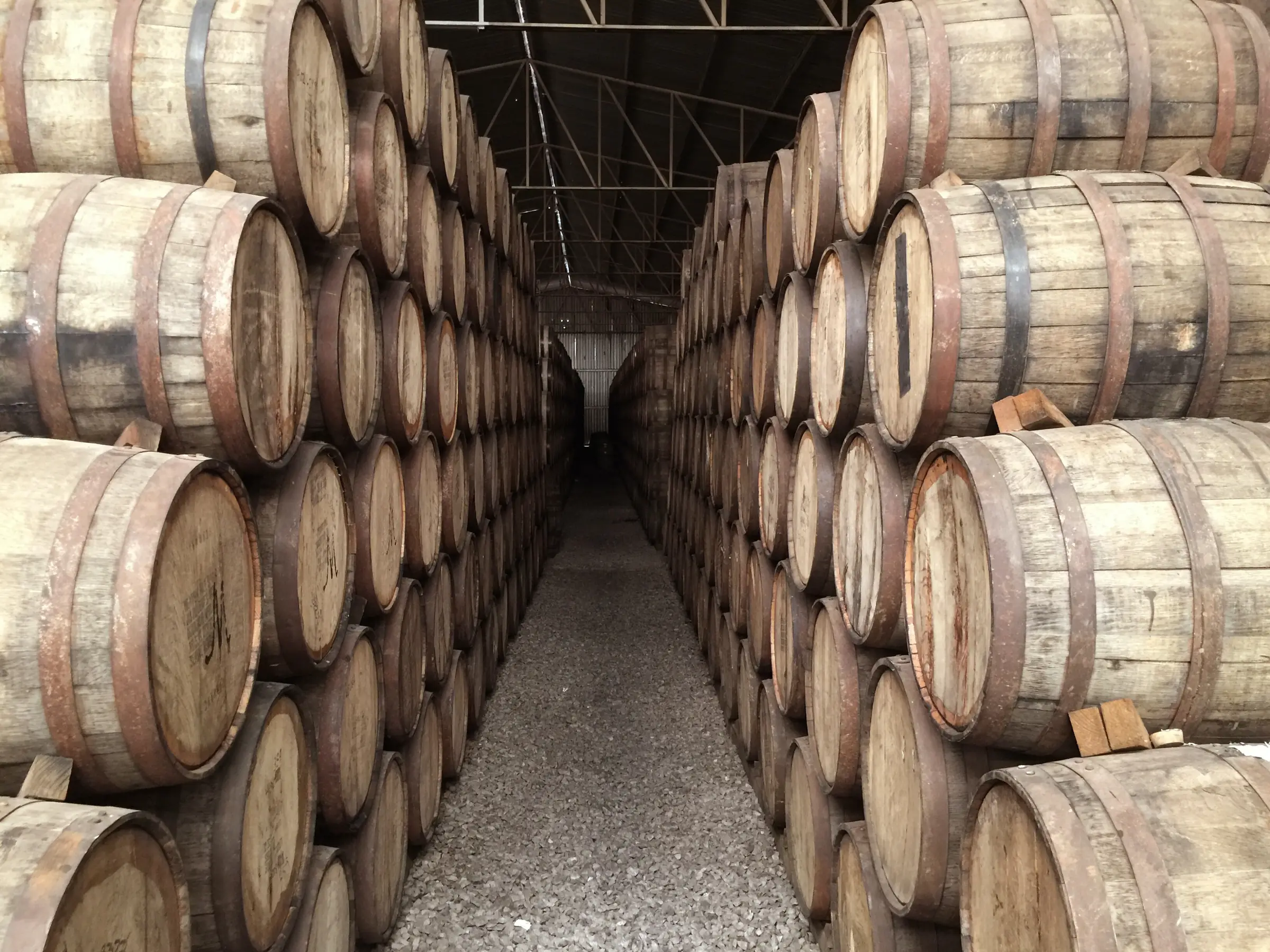
A wooden barrel of new-make spirit, sat in a Scottish bonded warehouse, slowly turning into Scotch. We source the cask, register it in your name, and sort the paperwork.

Three plain reasons people pick whisky

Real distilleries. Real warehouses. Really yours.

1 Where it comes from

Working distilleries you have heard of

The list we send you is working Highland and Speyside distilleries you will recognise: real fill dates, real ages, paperwork we can prove.

2 Where it sits

HMRC-bonded, in Scotland

Every cask sits in a bonded warehouse in Scotland. The same kind of warehouse the distilleries themselves use. Bonded means the duty has not yet been paid, and HMRC keeps tabs on the stock.

3 Whose it is

Yours by name

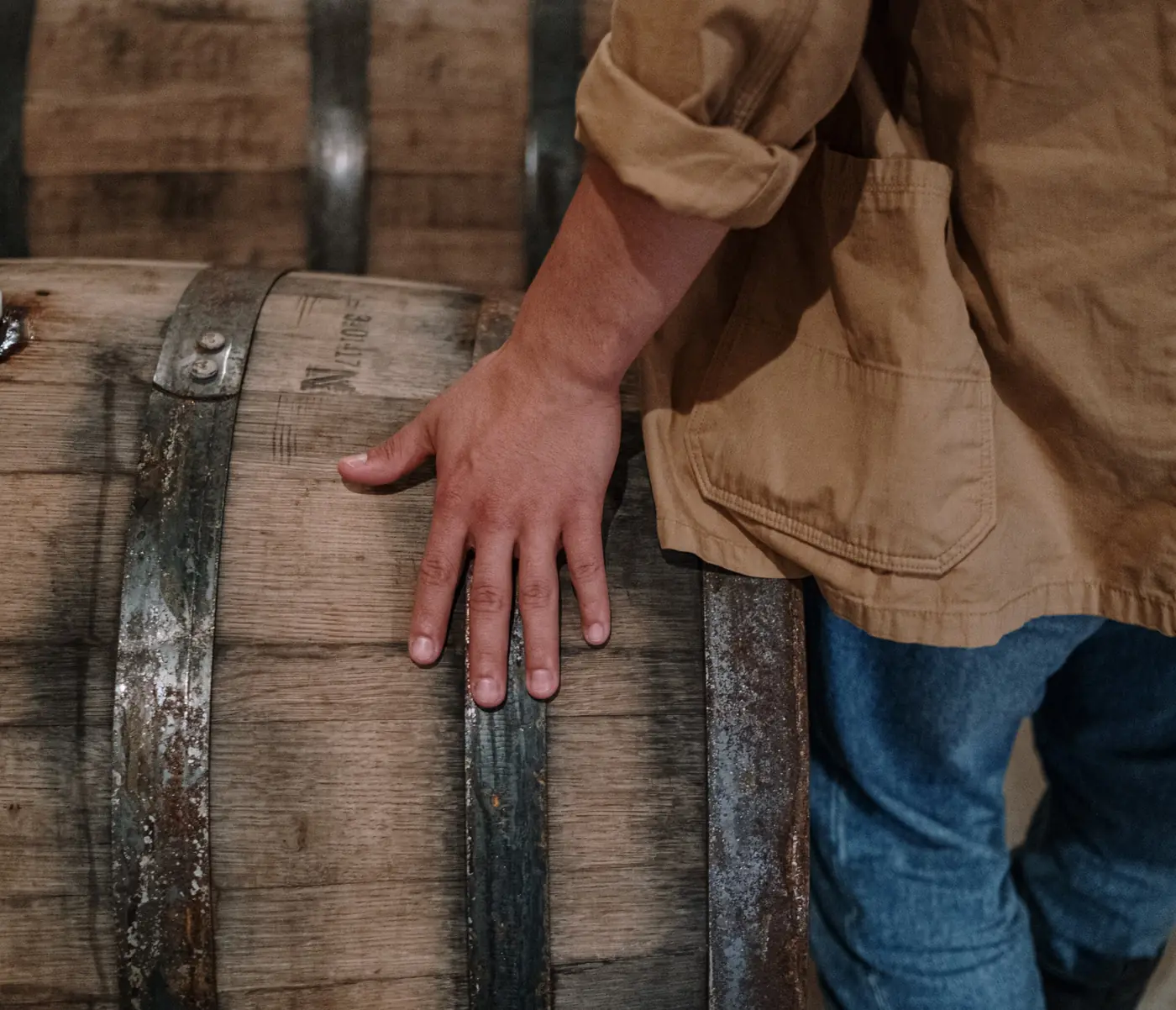
One named cask, with a serial number stencilled on the end and your name on the delivery order. The warehouse confirms ownership in writing on request, independent of us. If you wanted to, you could drive there and stand next to it.

Smallest entry
From £2,500
A starter cask position
Full casks from £25,000. Top up over time if you want to ladder in.
Yours, named, allocated
100%
In your name
On the warehouse register, on the delivery order, on every statement
Year one
£0
Storage and insurance
First twelve months on us. Flat annual fee after that, shown up front
A long-standing UK tax rule

No CGT on the gain, in plain English.

No Capital Gains Tax on the gain. HMRC uses the same rule it applies to vintage cars: a maturing cask is a “wasting asset”, and the profit when you sell is yours. Not a loophole, just a long-standing rule for assets with a finite life. We’ll walk you and your accountant through it whenever you’re ready.

When you sell
No Capital Gains Tax
Whisky in cask is a HMRC-classified wasting asset. No CGT on the uplift.
While you hold
Duty deferred in bond
In a bonded warehouse, duty is only paid if and when whisky leaves bond. While it ages, no duty payable.

Tax rules can change and how they apply depends on your personal circumstances. We are happy to walk through this with you.
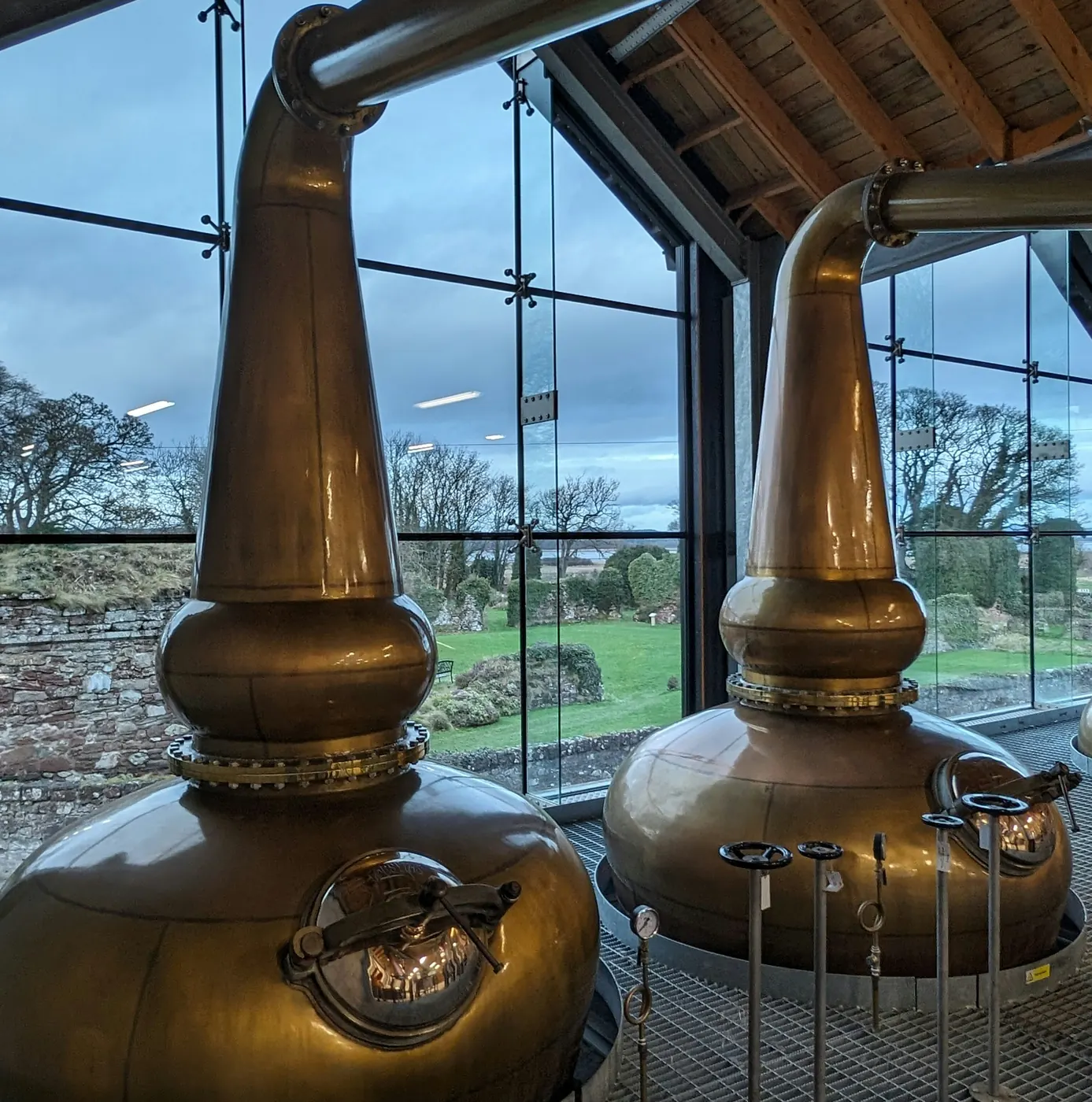
What is actually in your name A wooden barrel, holding spirit, in bond

One cask, in a Scottish warehouse, with your name on the paperwork.

The cask itself is a wooden barrel. Usually a refill bourbon hogshead or a sherry butt, holding 200 to 500 litres of new-make spirit. Distilleries make new-make. Time and oak make Scotch. Each cask has a unique number stencilled on the end, and that number sits on a delivery order in your name.

01 Volume 200 to 500 litres of spirit, depending on cask type
02 OLA & RLA Original and reducible litres of alcohol, on every statement
03 ABV at fill Around 63.5% off the still, drifting down by ~0.5% a year
04 Stencilled number Your cask, identifiable on inspection in the warehouse
A whisky cask, in bond, in Scotland
Why a cask, of all things

Time on its own makes it rarer every year.

Two things happen, very slowly, in a Scottish bonded warehouse. The supply only shrinks. The demand only climbs. That’s the whole pitch.

1
The angels' share

Roughly two per cent of the liquid in every cask evaporates each year. So a cask filled in 2005 is, today, physically smaller than it was. Stock that was bottled in the 1990s is gone. Stock bottled this year cannot be replaced for at least eight years.

2
Distilleries that closed

Several of the famous distilleries closed decades ago. Brora, Port Ellen, Rosebank, Convalmore. None of them are making new spirit, and several have been mothballed for nearly forty years. The supply of mature whisky from those names can only go in one direction.

3
A steady international thirst

The Scotch Whisky Association reports £5.4bn of Scotch exports in 2024, with bottles leaving the country at the rate of forty-four a second. You can see why a 1995 hogshead from a working Highland distillery is the kind of thing people quietly hold on to.

Free guide

The whisky investment guide, in plain English.

Forty-eight pages, no jargon. We send the PDF by email, no follow-up call unless you ask for one.

  • What you actually own, and how it is documented
  • HMRC's wasting-asset rule, with worked examples
  • Storage and insurance, what is reasonable to pay
  • How to sell, and what to expect on each route

Send me the guide

PDF, by email
How buying a cask actually works

Three steps, no homework.

1
Step one
Choose your cask.

We send you a short list of available casks. Distillery, age, cask type, fill date, price, projected yield in bottles. You pick one. We hold it for fourteen days while you make up your mind.

2
Step two
Hold it, while it ages.

We register the cask in your name with the warehouse, take care of insurance, and send you a clean statement twice a year. The cask sits and ages. Visit it twice a year if you want, on us.

3
Step three
Sell it, or bottle it.

When you are ready, we help you sell. Either back to us, or to a private buyer or independent bottler. Or, if you would rather, we organise a bottling run and you end up with several hundred bottles of single malt in your name.

Where it actually sits Insured, in your name

An HMRC-bonded warehouse in Scotland, all of it insured.

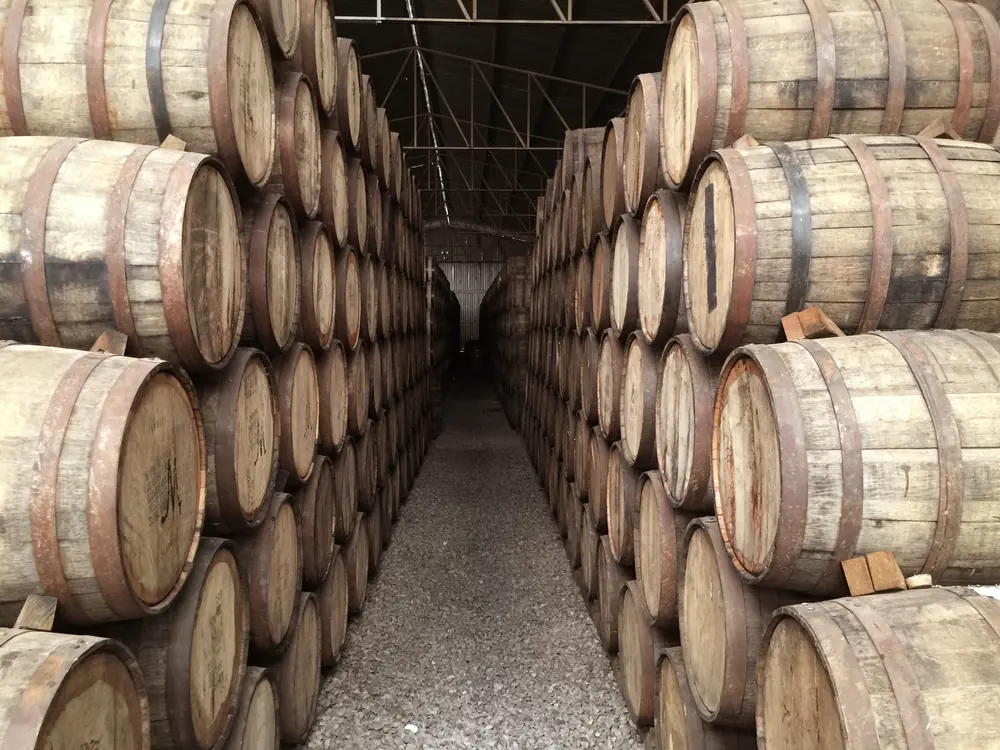
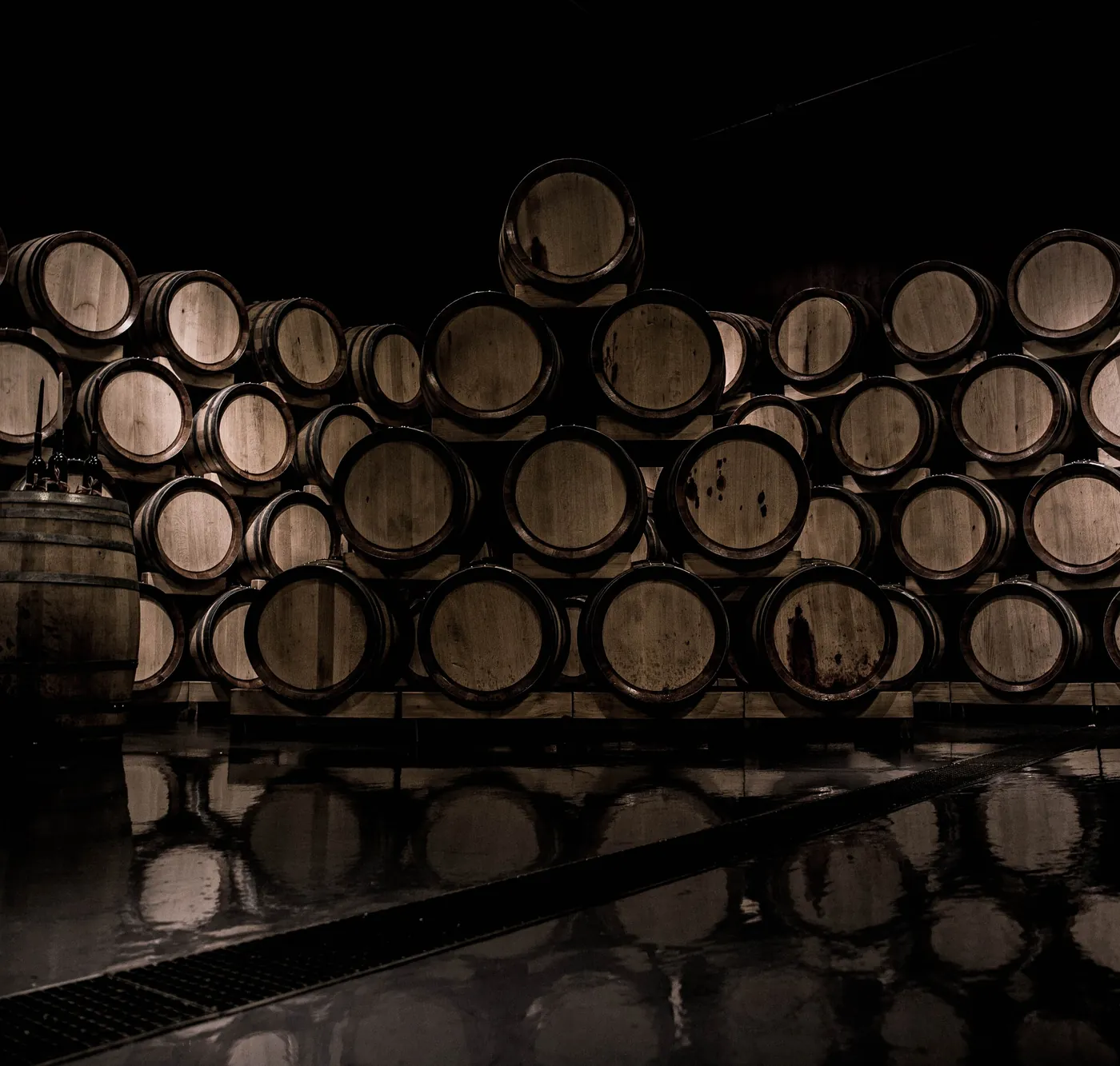
Every cask sits in a Scottish bonded warehouse. The same kind of warehouse the distilleries themselves use. We pay the storage. We pay the insurance. We pay for the rotation work (every cask gets sampled and topped up over the years). For the first twelve months all of that is on us. After that, a flat annual fee, shown up front before you commit. You can visit the warehouse, on us, twice a year. We will arrange the time, drive you there, and walk you to the cask with your name on it.

Inside an HMRC-bonded warehouse, Scotland
The bit nobody else explains

Three ways out, all walked through with you.

When you decide to sell, you have three routes. We talk you through all of them and we do not tell you which one to pick. Whichever you choose, we handle the paperwork.

1
Route one
Sell back to us.

We make a buyback offer based on the current market for casks of that distillery and age. Money usually arrives within fourteen days. The simplest route, and most customers take it.

2
Route two
Sell to a private buyer or independent bottler.

We have a vetted list of buyers and bottlers. We introduce you, agree the price, handle the legal paperwork. Slower (typically four to eight weeks) but often achieves a higher price.

3
Route three
Bottle it yourself.

Your cask, your bottling run. We organise an independent bottler to do the work. At the end you own roughly 250 to 700 bottles of single malt with a label of your choosing.

What customers have actually done

Six recent cask sales. 7% to 9% a year, after fees, tax-free.

Held between five and twenty-one years. The full table’s below: what was bought, how long it sat, what the customer walked away with. Every cask sale on the books, in order.

Returns shown are after fees, before any tax (most casks qualify for the wasting-asset rule and pay zero CGT). Customer names withheld for privacy. Past results are not a guide to future ones.

What it is Held for Sold for / per year
Speyside cask, 2014 fill 9 years £42,800 · about 8.4%
Highland cask, 2008 fill 15 years £61,200 · about 9.0%
Islay cask, 2011 fill 12 years £58,400 · about 8.7%
Speyside starter cask, 2019 fill 5 years £3,650 · about 7.8%
Highland cask, 2003 fill 21 years £88,400 · about 8.2%
Highland cask, 2018 fill 6 years £4,720 · about 7.1%
What cask customers say

Plain language about a thing they could not picture before.

Every customer below has held an actual cask, in their actual name, in an actual Scottish warehouse. Names changed for privacy, the rest of it is theirs.

Read all cask reviews
★ ★ ★ ★ ★ Speyside, 2018 fill

“I had never been into a bonded warehouse in my life. They drove me up to Speyside, walked me along to the cask with my name stencilled on the end of it, and let me draw a sample. It made it real.”

Sarah M., Stirling Customer for 4 years
★ ★ ★ ★ ★ Highland starter cask

“I treat it like a savings bond I happen to find interesting. Put £5,000 in three years ago, get a clean statement twice a year. That is about it, really.”

David L., Bristol Customer for 3 years
★ ★ ★ ★ ★ Highland, 2017 fill

“I asked about Capital Gains Tax three times. Got the same straightforward answer all three times. That mattered to me. My accountant agreed.”

Margaret W., Tunbridge Wells Customer for 2 years
★ ★ ★ ★ ★ Sold to bottler

“Sold the cask to an independent bottler last spring. Money in the account in five weeks, no quibbles. Better than I had budgeted for.”

Ian R., Edinburgh Customer for 7 years
Honest answers

The questions cask buyers ask before they ask them.

01 What if the distillery closes while I own a cask?

The cask is still yours. The warehouse is independent of the distillery, so even if a distillery is mothballed (or goes the way of Brora or Port Ellen), the cask sits where it was. Any market for “closed-distillery” stock tends to push the value up rather than down.

02 Can I bottle my own cask?

Yes. You appoint an independent bottler (or use one we recommend), pick a label, agree a strength, and the bottling happens at a licensed plant. You end up with several hundred bottles in your name, with whatever label you want on them.

03 What happens to the volume over time?

A cask loses roughly two per cent of its volume per year to evaporation. The angels' share. It is one of the reasons older casks are rarer (and dearer) per litre. Your statement shows the current volume on every reading.

04 Is whisky cask ownership regulated?

Whisky cask ownership in the UK is currently outside the FCA’s remit, because what you buy is a physical asset, not a financial product. We treat that with care: clear paperwork, bonded warehouse, named cask, plain English. Our role is to help you own a thing, then help you sell it. Personal investment advice belongs with an IFA.

05 Can I visit my cask?

Yes. Twice a year, on us, you can come to the warehouse, see the cask and draw a sample. We arrange the time, drive you there, and walk you to it. It is a good day out.

06 What does it cost after the first free year?

A flat annual fee, shown in writing before you commit. Typical range £40 to £80 per cask per year, including insurance and the rotation work. One number, one line item, the same every year.

Rather just chat?

Fifteen minutes on the phone. No script.

If you would rather skip the guide and ask a real person, book a quick call. We answer the questions, you decide what to do next.

Book a 15-minute call
Where this leads

Pick a cask. Hold it
twelve, twenty, thirty years.

Then sell it back to us, to a private bottler, or bottle it yourself with your initials on the label. The decision is yours every step of the way. We just keep it safe in bond and tell you what it’s worth, whenever you ask.